



450W Solstice Mirrored IR Panel Heater With LED Backlight
450W Solstice Mirrored IR Panel Heater With LED Backlight
Couldn't load pickup availability
Description
Description
This 450W Solstice Mirrored IR Panel Heater With LED Backlight perfect for a bathroom or bedroom.
With a surface material of glass, it will reach surface temperatures of 115°C and heat a surface area of 8m². This unit will look fabulous mounted onto a wall and also comes fit with energy-efficient LED lights to illuminate and warm any space.
Protected with a IP65 rating, it will not be damaged by splashes of water from any direction and is a plug-and-play unit for your convenience. It measures just 600mm x 800mm x 11mm and is beautifully disguised as a mirror, whilst still providing heat.
The heating and lighting can be controlled independently of one another, thanks to the two switches located on the back of the panel - the green switch controls the LED backlight, and the red switch controls the heating! While the rest of the panel uses 450W, the LED backlight only needs 30W to produce 2800 lumens of light.
Specs Table:
Product Specs
Product Specs
| Wattage | 450w |
|---|---|
| Wi-Fi | No |
| Heating Power | 450W |
| LED Power | 30W |
| Lumens | 2800lm |
| Manufacturer | Infrared Group |
| Surface Material | Glass |
| Surface Temperature | 115°C |
| Dimensions (mm) | 800mm x 600mm x 11mm |
| Recommended Fixing | Wall |
| Frame Colour | None |
| IP Rating | IP65 - Protected against splashes of water |
| Voltage | 230v |
| Warranty | 5 Years |
Share this product


Benefits of Infrared Heating In The Bathroom
Bathrooms demand heating that goes beyond warmth. Infrared heating helps reduce moisture, improve air quality, and create a healthier space for everyday use.

Safe Space Saving Design
Safe Space Saving Design
With wall-mounted panels and mirror options, infrared heating offers a safe, clutter-free solution that’s perfectly suited to bathroom environments.
Helps Prevent Mould & Mildew
Helps Prevent Mould & Mildew
By minimising surface dampness and cold spots, infrared heating creates an environment where mould and mildew are far less likely to develop
Healthier for Respiratory Wellbeing
Healthier for Respiratory Wellbeing
Unlike traditional heating, infrared panels don’t circulate dust, allergens, or moisture through the air. This makes them ideal for people with asthma, allergies, or respiratory sensitivities.
Gentle on Skin
Gentle on Skin
Infrared heat provides a natural, even warmth without drying out the air. This helps maintain skin moisture, making it kinder on sensitive or dry skin — especially after bathing
Reduces Humidity & Damp
Reduces Humidity & Damp
Infrared heating warms walls and surfaces directly, helping moisture evaporate more quickly. This reduces condensation, keeping bathrooms drier and more comfortable.
Comfortable, Even Warmth
Comfortable, Even Warmth
Infrared heating delivers consistent warmth where you need it most, eliminating cold bathroom floors and chilly spots for a more spa-like experience.
The Benefits Of Infrared Heating

Centralised Smart Device
Monitor and adjust heating in every room from your device.

Environmentally Friendly
Infrared heating generates zero carbon emissions.

Save On Energy Bills
Use 42% less wattage than other convection radiators. Up to 60% energy bill reduction.

Future-Proof Your Property
Protect & Prepare form future boiler restrictions.

10 Year Warranty
Enjoy peace of mind with industry-leading guarentee on all products.
Blog posts

Does Infrared Heating Just Heat the Air? The Truth Behind How Infrared Heats a Room
Discover how infrared heating really works. Learn why far infrared heats the entire room—not just objects—why it feels warmer faster than central heating, and how it reduces energy bills compared to storage heaters and other electric heating systems.
Learn more
Economy 7 Night Storage Heaters: Costs, Benefits, Disadvantages, and FAQs
Introduction: The Legacy of Storage Heaters in the UK Storage heaters have been a familiar sight in UK homes since the mid-20th century. Originally introduced in the 1960s and 70s — particularly in social housing — these units were promoted as a convenient way to take advantage of Economy 7 tariffs. The concept was simple: store heat overnight when electricity was cheaper and release it throughout the day. Fast forward to today, and night storage heaters are increasingly seen as outdated and inefficient. In an era where energy prices are rising and smart technology is redefining home heating, many are asking: are storage heaters still a viable solution, or is it time to upgrade? In this post, we’ll break down the costs, benefits, disadvantages, and alternatives to storage heating, helping you make an informed decision for your home or business. What Is a Storage Heater and How Does It Work? The Basics A storage heater is an electric heater that stores thermal energy by heating internal ceramic bricks during off-peak electricity hours (typically overnight). The idea is that this stored heat can then be gradually released throughout the day, reducing the need for on-demand heating during peak hours. The Role of Economy 7 These systems were designed to work hand-in-hand with Economy 7 (ECO7) tariffs — a type of electricity plan that offers cheaper rates during night-time hours (usually a seven-hour window between midnight and 7 AM). Households with storage heaters often rely on ECO7 meters to benefit from these cheaper rates. Different Types of Storage Heaters 1. Traditional Night Storage Heaters These are the most common and often the oldest type. They heat up overnight and passively release heat during the day with limited control. 2. High Heat Retention Storage Heaters A more modern version, high heat retention storage heaters come with better insulation, fans for improved heat distribution, and smarter controls — but they are also significantly more expensive. 3. Combination Heaters Some newer models combine storage elements with electric radiators for top-up heating when stored heat runs out. The Pros of Storage Heaters Cheaper Night-Time Electricity If you are on an Economy 7 tariff and can manage your energy use carefully, storage heaters can offer some savings — at least in theory. Simple Operation Most older systems are easy to operate, with basic input/output dials. No Boiler or Plumbing Needed Since storage heaters are self-contained and electric, they do not require central heating systems or pipework. The Growing List of Disadvantages Poor Control and Inefficiency Storage heaters release heat gradually throughout the day — whether you need it or not. By the evening, when most people want their homes warmest, the stored heat may already be depleted. This often leads to reliance on expensive peak-rate top-up heating. Unsuitable for Modern Lifestyles With more people working from home or keeping irregular schedules, the rigid timing of storage heaters no longer suits modern energy usage patterns. Expensive to Run in Practice While Economy 7 tariffs offer lower night-time rates, day rates are significantly higher, making any additional heating very costly. Users often end up paying more in the long run — especially during colder months. Negative Impact on EPC Rating Homes relying on older night storage heaters often receive lower EPC (Energy Performance Certificate) scores, making them less attractive to buyers or tenants and harder to upgrade under energy efficiency standards. Bulky and Unattractive Traditional units are large, clunky, and often placed in inconvenient locations. Unlike modern electric radiators or infrared panels, they take up significant wall space. Maintenance and Ageing Systems Many storage heaters installed decades ago are nearing the end of their lifespan and may no longer be safe or effective. Spare parts for older models are becoming increasingly difficult to source. Are High Heat Retention Storage Heaters the Solution? Some manufacturers have tried to modernise the concept with high heat retention storage heaters. These newer systems feature better insulation, smarter thermostats, and fans for heat distribution. However: They are expensive to purchase and install — often £1,500 to £2,500 per unit They still rely on the same underlying principle: storing heat at night, hoping it lasts all day They still need an ECO7 tariff to be remotely cost-effective If used inefficiently, they can be just as expensive to run as older models While a small improvement over traditional systems, they are not the revolution in heating technology many hoped for. What Are the Alternatives? With energy efficiency becoming more important than ever — especially for those concerned about EPC ratings, energy bills, or carbon emissions — many homeowners are now exploring better options. Electric-Only Properties: Why Upgrading Your Heating System Matters Homes that rely solely on electricity for heating — known as electric-only properties — do not have access to a mains gas supply. These properties are often found in rural or remote areas and commonly use outdated systems such as storage heaters or traditional electric radiators. Some homeowners may turn to oil-fired heating, but this option is typically costly, inconvenient, and requires regular fuel deliveries and storage space. Traditional electric heating methods, including night storage heaters and older radiators, are significantly less energy-efficient — consuming up to 42% more electricity compared to modern infrared heating panels. As UK energy prices continue to rise, switching to a high-efficiency heating solution like infrared heating can dramatically lower electricity consumption and reduce monthly energy bills, making it a smart upgrade for electric-only households. Infrared Heating: A Smarter, More Efficient Choice Infrared heating is an emerging technology that offers precise, on-demand heating without the disadvantages of storage systems. How It Works Infrared panels use far infrared radiation to directly heat people, furniture, and surfaces — not the air. This results in fast, efficient warmth that does not dissipate as quickly as convective heating. Why It’s Better Than Storage Heating On-Demand Heating: Heat rooms only when and where you need it. No pre-heating or wasted energy Lower Running Costs: Infrared systems use less electricity overall compared to storage heaters and work efficiently with standard tariffs, not just ECO7 Slimline Design: Panels are sleek, modern, and can be wall- or ceiling-mounted, freeing up valuable space Improved Comfort: Provides consistent warmth without the hot/cold cycle typical of night storage heaters Higher EPC Rating: When installed properly, infrared heating can improve your home’s EPC, especially when paired with renewable energy sources such as solar panels FAQs About Storage Heaters Are storage heaters being phased out? While not banned, they are increasingly seen as outdated. Many energy assessors and landlords are replacing them with more modern alternatives to improve EPC ratings. Do storage heaters work without Economy 7? Technically yes, but they become extremely expensive to run on standard tariffs. Is Economy 7 being phased out? Economy 7 tariffs themselves are not being discontinued; however, the underlying technology that enables them — specifically the Radio Teleswitch Service (RTS) — is being phased out. This system, which allows certain meters to automatically switch between peak and off-peak rates, is set to be switched off by 30 June 2025. The withdrawal of RTS meters means an upgrade is required to keep your tariff working as intended. If your energy supplier hasn’t yet been in touch, it’s recommended that you contact them to arrange the necessary meter replacement and avoid any disruption. Can I replace a storage heater with an electric radiator or infrared panel? Yes, and it is often the more efficient and cost-effective solution. Electric radiators and infrared heating offer better control, lower running costs, and require minimal installation. Do high heat retention storage heaters qualify for grants? Occasionally under ECO schemes, but less so now that more efficient technologies such as infrared heating are being prioritised. Conclusion: Should You Stick with Storage Heaters? While storage heaters once had a role in energy-efficient home heating, particularly during the rise of Economy 7 tariffs, their time has largely passed. Between poor control, high running costs, and bulky designs, they no longer meet the demands of modern homes or energy-conscious homeowners. With the rise of smart, responsive, and efficient alternatives like infrared heating, sticking with old technology is not only inconvenient — it could be costing you money. Want to Upgrade from Storage Heaters? If you are still using night storage heaters and want a more efficient, affordable, and stylish alternative, we are here to help. Contact Infrared Group today for expert advice and a tailored quote. 0333 090 7160 info@infraredgroup.co.uk www.infraredgroup.co.uk
Learn more
Energy Prices: What Can I Do to Lower Energy Bills?
Energy Prices: What Can I Do to Lower Costs? Introduction: The Reality of Rising Energy Bills Energy bills are climbing higher than ever, and for millions of UK households, the impact is being felt with every passing month. As the cost of living rises and inflation bites, one of the most significant contributors to household expenditure is energy—specifically, heating and electricity. But why are prices rising so fast, and what can you do to protect yourself from future increases? Why Are Energy Prices So Unstable? The Ukraine-Russia War and Its Global Impact A major driver behind the surge in energy prices is geopolitical instability. The ongoing war between Russia and Ukraine has disrupted global energy markets. Russia, one of the world’s largest exporters of natural gas and oil, has restricted supply to Europe in response to sanctions and political tensions. This has caused widespread supply chain issues and increased competition for energy resources, pushing prices up on a global scale. The Power of Energy Providers Another contributing factor is the influence energy providers wield. In many markets, a handful of major suppliers dominate, allowing them to set prices with little consumer recourse. These companies purchase energy on wholesale markets, and when wholesale prices rise—even temporarily—those increases are passed on to consumers. The UK Energy Price Cap The UK’s domestic energy price cap, designed to protect consumers from excessive charges, has failed to stop significant increases. The cap has risen consecutively in recent years, reflecting higher wholesale costs. While it offers some protection, it also legitimises higher prices, creating a cycle where each rise becomes the new normal. Energy prices have continued to rise year after year, and energy providers are seeing their profits soar—often at the expense of homeowners. While switching energy suppliers may offer short-term relief by locking in a fixed tariff, these deals are still subject to future market fluctuations. As we've seen in previous years, those increases can be steep and unexpected. The most effective way to combat rising costs is to address the root of the issue: your energy consumption. Heating typically accounts for 60–70% of total household energy usage, making it the most impactful area to focus on for savings. By adopting smarter, more efficient heating technologies, households can dramatically reduce their monthly and annual energy bills, regardless of external market conditions. What Can You Do to Reduce Your Energy Bills? While switching providers may offer some temporary relief, it’s often not enough. In fact, the most effective way to lower your energy bills is to focus on reducing your energy consumption, especially when it comes to heating, which accounts for around 50%-70% of total household energy usage. When researching the cheapest energy options or doing an energy comparison, remember that efficiency matters just as much as the rates you're paying. Heating: The Key to Lowering Your Energy Costs Gas vs. Electricity Traditionally, gas has been the go-to for UK home heating, but gas prices have become increasingly volatile due to global dependency and geopolitical conflict. Electricity, on the other hand, can be generated from a variety of sources, including renewables like solar and wind. As the UK continues to decarbonise, electricity is becoming the cleaner, more stable option. When doing an electricity price comparison, you’ll often find that renewable-powered tariffs are not only greener but can be more cost-effective in the long run. Infrared Heating: Cut Heating Costs by Up to 60% Infrared heating is one of the smartest and most energy-efficient ways to heat your home in today’s market. Unlike conventional heating systems that warm the air, infrared panels heat people and objects directly—just like the sun. This means less energy is wasted, and your rooms stay warm for longer. Benefits of Infrared Heating: 1. Energy Efficiency Infrared panels consume significantly less electricity compared to traditional electric heaters or gas boilers. This can lead to substantial reductions in your energy bills—by as much as 60% in some cases. 2. Targeted Heating You can heat specific rooms or zones without wasting energy on empty spaces. This is ideal for modern lifestyles where people spend time in different parts of the home throughout the day. 3. Low Maintenance Infrared panels have no moving parts, fluids, or filters, making them incredibly low-maintenance. Once installed, they require virtually no upkeep. Just the occasional wipe down. 4. Sleek, Modern Design Our panels come in a variety of finishes—including mirrors and custom prints—so they complement your decor while also serving a functional purpose. 5. Better Air Quality Because infrared heating doesn’t circulate air, it reduces the movement of dust and allergens, creating a healthier living environment—especially beneficial for allergy sufferers. 6. Controllability Our infrared heating panels come equipped with advanced control features, including programmable thermostats, smart home integration, and zone-based settings. These tools allow users to fine-tune energy usage, ensuring optimal efficiency and even greater savings. The Importance of Efficient Heating Systems When it comes to reducing your energy costs, the type of heating system you use plays a crucial role. It's not just about cheaper tariffs—it's about using less energy to begin with. When considering your options, look for a modern, efficient system like infrared heating. Infrared has a key advantage: it heats a room to the desired temperature in just 15–20 minutes, and thanks to superior heat retention, there's much less need for continuous operation. That means lower energy usage overall, as the system doesn't need to be running constantly for you to feel warm. Infrared panel heaters also require 42% less wattage than traditional electric radiators to heat an equivalent space. That's a 42% saving on your heating costs before you've even switched them on. Adopting this kind of technology is a smart way to react to rising energy prices and future-proof your home—and your family—for the years ahead. Real Savings, Real Results Many of our customers report energy savings of 30–70% after switching to infrared heating. These aren’t just theoretical figures—our systems are designed to perform efficiently in real-world conditions, and the results speak for themselves. This makes infrared heating not just a smart heating solution, but also a key consideration when comparing gas and electricity deals. Make the Switch Today If you’re looking for a long-term solution to rising energy bills, it’s time to consider a smarter approach. Focussing on the root of the issue, your consumption itself, is the best way to start. Gas and electric heating systems are dominating your energy usage and draining your wallet. Infrared heating not only lowers your consumption, but it also provides a more comfortable, stylish, and sustainable way to heat your home. Whether you're reviewing the cheapest energy options or doing a detailed energy comparison, consider the efficiency and benefits of switching to infrared heating. Ready to Learn More? Contact Infrared Group today for a personalised quote and discover how infrared heating can transform your home—and your energy bills.
Learn more
Finance Available
Buy Now, Pay Monthly.
Flexible Payment Options
Spread the cost of your infrared heating system with affordable monthly payments, making energy-efficient heating more accessible without upfront strain.
Quick & Easy Approval
Our finance options through iDeal 4 Finance offer a simple application process with fast decisions, so you can move forward without delays.
Affordable Monthly Plans
Choose a payment plan that suits your budget, allowing you to enjoy the benefits of lower energy bills while paying in manageable instalments.
Invest Now, Save Sooner
Installing infrared heating today means you can start reducing energy costs immediately — with finance helping you spread the investment over time.

Customer Reviews


450W Solstice Mirrored IR Panel Heater With LED Backlight
450W Solstice Mirrored IR Panel Heater With LED Backlight
450W Solstice Mirrored IR Panel Heater With LED Backlight
Product Description:
This 450W Solstice Mirrored IR Panel Heater With LED Backlight perfect for a bathroom or bedroom.
With a surface material of glass, it will reach surface temperatures of 115°C and heat a surface area of 8m². This unit will look fabulous mounted onto a wall and also comes fit with energy-efficient LED lights to illuminate and warm any space.
Protected with a IP65 rating, it will not be damaged by splashes of water from any direction and is a plug-and-play unit for your convenience. It measures just 600mm x 800mm x 11mm and is beautifully disguised as a mirror, whilst still providing heat.
The heating and lighting can be controlled independently of one another, thanks to the two switches located on the back of the panel - the green switch controls the LED backlight, and the red switch controls the heating! While the rest of the panel uses 450W, the LED backlight only needs 30W to produce 2800 lumens of light.
| Wattage | 450w |
|---|---|
| Wi-Fi | No |
| Heating Power | 450W |
| LED Power | 30W |
| Lumens | 2800lm |
| Manufacturer | Infrared Group |
| Surface Material | Glass |
| Surface Temperature | 115°C |
| Dimensions (mm) | 800mm x 600mm x 11mm |
| Recommended Fixing | Wall |
| Frame Colour | None |
| IP Rating | IP65 - Protected against splashes of water |
| Voltage | 230v |
| Warranty | 5 Years |
Saving Money With IR Heating
Infrared (IR) panels pose many different advantages including discreet heat, being kind to the environment and aiding a healthier lifestyle. One main benefit is that they are extremely beneficial to your bank account.
Low amounts of power will equal lower cost. As IR heaters surface area, and not volume, they use less energy to run and are even cheaper to run. By switching to IR, you could save up to 60% on energy bills.
IR heaters take little to no time to start emitting heat that you can actually feel. This means that the panel will be on for less time, furthering helping you to save on energy bills.
As IR panels have no moving parts, there is very little that could go wrong. This means that, unlike a gas boiler that would need to be replace and checked on, IR heaters would never need to be serviced – costing you time and money.
Stunning Appearance
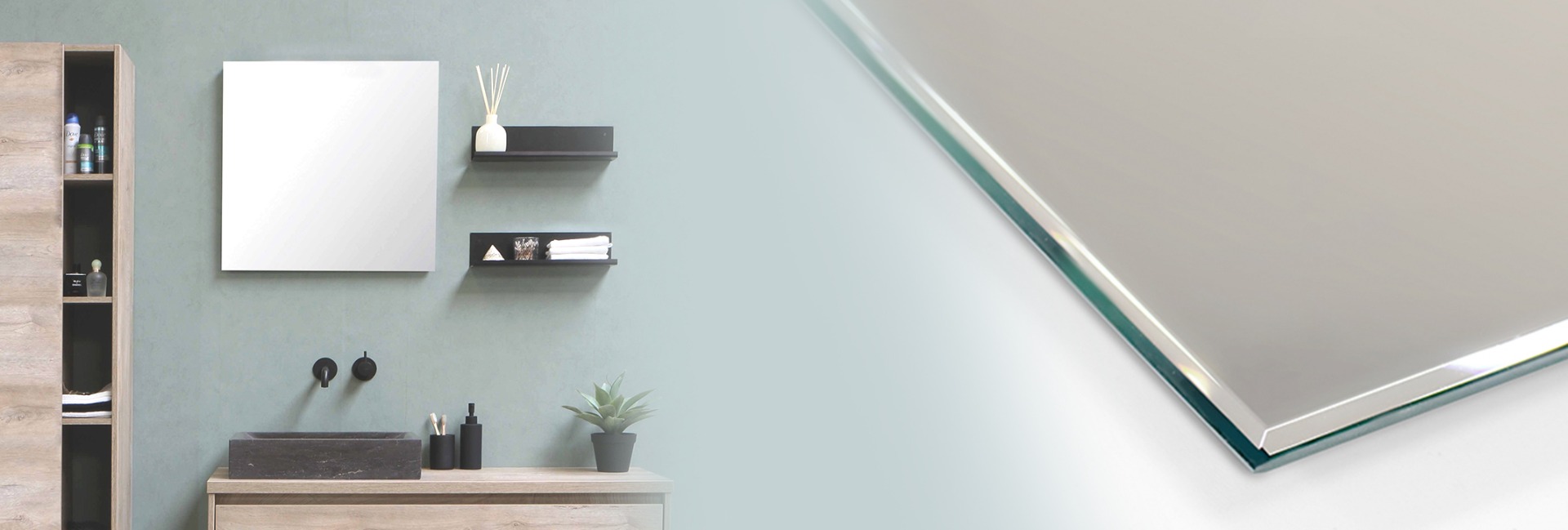
Not only are Infrared panels natural and energy-efficient source of heat but a gorgeous one too! You can definitely give your interior design a modern boost with any of our heaters.
A great advantage of this unit in particular is the use of the mirror. Perfect for a bathroom installation, it is equipped with a IP65 rating to be protected against splashes of water causing any damage. It also will not steam up, as mirrors typically will, when it is on as the warmth prevents condensation.
Sleek & Slender Craftsmanship

Just a slim 11mm in depth, this heater will not stick out of the wall awkwardly like a standard convector heater would. It can easily be mount flush to the wall.
Traditional heaters often create the issue of ‘dead space’ – this is the area in front of or around the unit that cannot be occupied as it will inefficiently block in the heat. The same goes for standard portable heaters.
With infrared heating, you are free to install them high up a wall, or even from the ceiling, for a minimal, decorative look. Not to forget that they heat objects directly, instead of the air, so you won’t need to worry about hot air rising away from you.
Install With Ease

Each of our IR panels are incredibly easy to install, and you can do it on your own.
Take a few minutes out of your day to achieve this as a DIY job, rather than calling in a professional to help you out.
Plug-and-play compatible, it is important that you mount your heater close to a plug socket for easy power.
Using the stencil provided, simply draw the holes on the wall where you want the panel to go and then drill in the screws. Then, hang the panel from the screws using the cross-hair bolt insertion holes on the rear brackets.
If you are wanting the wires to be hidden then please don't hesitate to call us on 0333 090 7160

- Choosing a selection results in a full page refresh.
- Opens in a new window.